
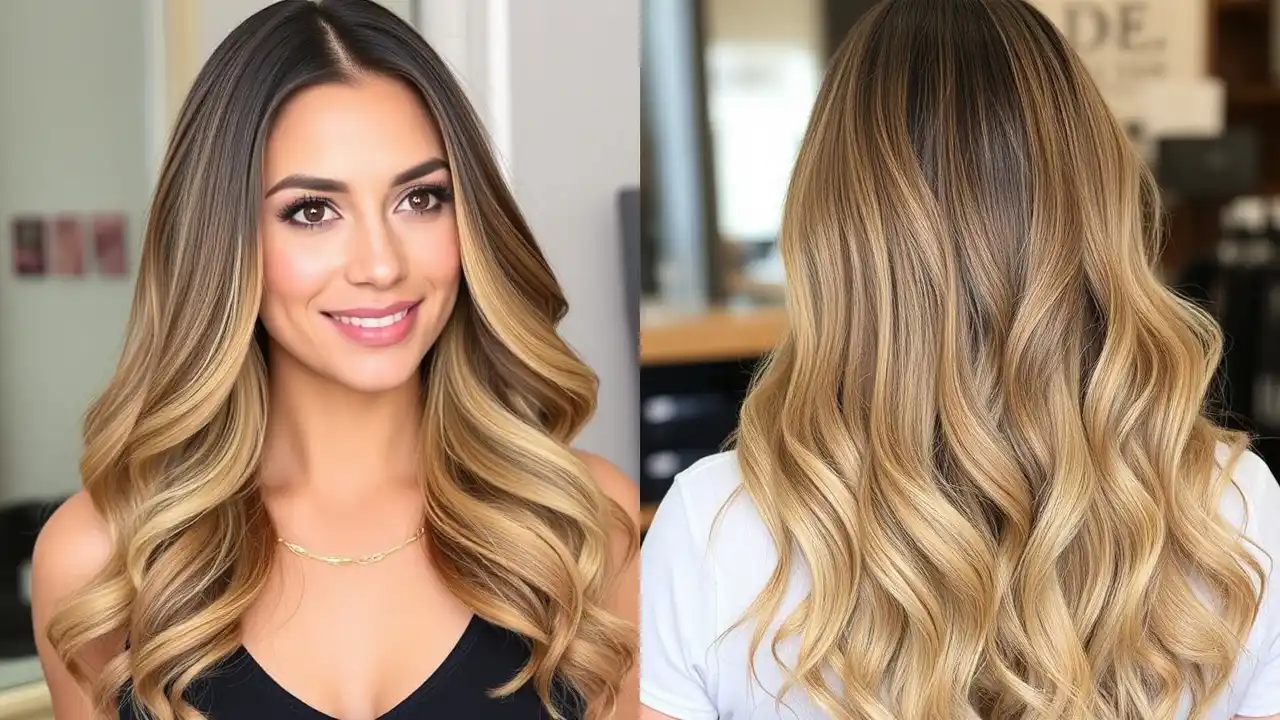
When it comes to choosing the right hair extensions for your hair type, it’s important to consider the texture, color, and length of your natural hair. If you have fine or thin hair, you’ll want to opt for lighter weight extensions that won’t weigh down your natural hair. Look for extensions made from high-quality human hair, as they will blend seamlessly with your own hair and can be styled just like your natural hair. For those with thicker or coarser hair, you may want to consider clip-in or tape-in extensions that can provide added volume and length without causing damage to your natural hair. It’s also important to match the color of the extensions to your natural hair color for a seamless and natural look.
Un autre facteur à prendre en compte lors du choix des extensions de cheveux est la méthode de pose. Il existe différentes méthodes, telles que les extensions à clipser, à coller, à coudre et à fusionner, chacune ayant ses propres avantages et inconvénients. Les extensions à clip sont idéales pour une utilisation temporaire et peuvent être facilement retirées à la fin de la journée, tandis que les extensions à ruban et les extensions par fusion offrent une solution plus permanente. Les extensions à coudre sont un choix populaire pour celles qui ont des cheveux plus épais, car elles offrent une fixation sûre et durable. En fin de compte, la méthode qui vous convient le mieux dépend de votre style de vie, de votre budget et de l'apparence que vous souhaitez obtenir.
Techniques de lavage et de conditionnement appropriées pour les extensions de cheveux
Proper washing and conditioning techniques are essential for maintaining the longevity and quality of your hair extensions. When washing your hair with extensions, it’s important to use a sulfate-free shampoo and a lightweight conditioner to avoid weighing down the extensions. Gently massage the shampoo into your scalp and roots, being careful not to tug or pull on the extensions. Rinse thoroughly and follow up with a conditioner, focusing on the mid-lengths and ends of your hair. Avoid applying conditioner directly to the roots or bonds of the extensions to prevent slippage or damage.
After washing, gently towel dry your hair and extensions, being careful not to rub or twist them. It’s best to let your hair air dry whenever possible to minimize heat damage. If you do need to use a blow dryer, use a low heat setting and a diffuser attachment to evenly distribute the air and prevent tangles. When brushing your hair extensions, use a wide-tooth comb or a special extension brush to gently detangle from the ends up to the roots. Avoid brushing vigorously or pulling on the extensions, as this can cause breakage and damage. By following these proper washing and conditioning techniques, you can keep your hair extensions looking beautiful and healthy for longer.
Comment coiffer et utiliser la chaleur en toute sécurité sur les extensions de cheveux ?
Styling and using heat on hair extensions requires extra care and attention to prevent damage and maintain the quality of the extensions. Before using any heat styling tools, it’s important to apply a heat protectant spray or serum to your hair and extensions to create a barrier against heat damage. When using a flat iron or curling iron, be sure to use a low to medium heat setting and avoid applying direct heat to the bonds or tape of the extensions. It’s also important to avoid excessive heat exposure by limiting the use of heat styling tools and opting for heatless styling methods whenever possible.
When styling your hair with extensions, it’s best to use gentle techniques such as braiding, twisting, or using soft hair accessories to avoid putting too much tension on the extensions. Avoid pulling or tugging on the extensions when styling, as this can cause breakage and damage. If you’re unsure about how to safely style your hair with extensions, consider consulting with a professional stylist who can provide guidance and tips for maintaining the health of your extensions while achieving your desired look.
Conseils pour préserver la longévité de vos extensions de cheveux
Maintaining the longevity of your hair extensions requires regular care and maintenance to keep them looking beautiful and healthy. One of the most important tips for maintaining your extensions is to brush them regularly with a special extension brush or wide-tooth comb to prevent tangles and matting. It’s best to brush your hair extensions at least twice a day, starting from the ends and working your way up to the roots. This will help distribute natural oils from your scalp throughout the length of the extensions, keeping them moisturized and nourished.
In addition to regular brushing, it’s important to avoid over-washing your hair extensions as this can strip them of their natural oils and cause dryness. Aim to wash your hair extensions no more than 2-3 times per week, using a sulfate-free shampoo and lightweight conditioner. When sleeping, it’s best to tie your hair up in a loose braid or ponytail to prevent tangling and friction against your pillowcase. You can also invest in a silk or satin pillowcase, which is gentler on both your natural hair and extensions.
Protéger vos extensions de cheveux pendant les activités physiques et le sommeil
Protecting your hair extensions during physical activities and sleep is essential for maintaining their quality and preventing damage. When engaging in physical activities such as exercise or sports, it’s best to tie your hair up in a secure ponytail or braid to prevent tangling and friction against your clothing. You can also wear a sweatband or headband to keep your hair in place and absorb sweat, which can cause tangling and matting in the extensions.
When sleeping with hair extensions, it’s important to tie your hair up in a loose braid or ponytail to prevent tangling and matting while you sleep. You can also invest in a silk or satin pillowcase, which is gentler on both your natural hair and extensions and reduces friction that can cause tangles. Avoid sleeping with wet hair or extensions, as this can lead to matting and breakage. By taking these precautions during physical activities and sleep, you can protect your hair extensions from damage and maintain their longevity.
Traiter les nœuds et la perte de cheveux dans les extensions de cheveux
Dealing with tangles and shedding in hair extensions requires patience and gentle care to prevent damage and maintain their quality. When dealing with tangles, it’s important to use a special extension brush or wide-tooth comb to gently detangle from the ends up to the roots. Avoid pulling or tugging on the tangles, as this can cause breakage and damage to the extensions. You can also use a detangling spray or serum to help loosen stubborn tangles before brushing.
To minimize shedding in your hair extensions, it’s important to handle them with care when brushing, washing, and styling. Avoid using excessive force when brushing or detangling, as this can cause the bonds or tape of the extensions to weaken and shed. It’s also important to avoid using products that contain alcohol or harsh chemicals, as these can dry out the extensions and cause them to shed. By taking these steps to deal with tangles and shedding in your hair extensions, you can keep them looking beautiful and healthy for longer.
Entretien professionnel et retrait des extensions de cheveux
Professional maintenance and removal of hair extensions are essential for ensuring their longevity and preventing damage to your natural hair. It’s important to schedule regular maintenance appointments with a professional stylist who can check the condition of your extensions, reposition any loose bonds or tape, and provide deep conditioning treatments to keep them looking healthy. Professional maintenance appointments also allow for any necessary adjustments or repairs to be made before they cause further damage.
When it comes time for removal of your hair extensions, it’s crucial to have them removed by a professional stylist who can safely dissolve any bonds or tape without causing damage to your natural hair. Attempting to remove extensions at home can result in breakage and damage if not done properly. After removal, it’s important to give your natural hair a break before reapplying new extensions to allow it time to recover from any potential stress or damage caused by the previous set.
En conclusion, le choix d'extensions de cheveux adaptées à votre type de cheveux, les techniques de lavage et de conditionnement appropriées, le coiffage à la chaleur en toute sécurité, le maintien de la longévité, la protection pendant les activités physiques et le sommeil, la gestion des nœuds et de la chute, ainsi que l'entretien et la dépose professionnels sont autant d'aspects essentiels de l'entretien de vos extensions de cheveux. En suivant ces conseils et ces techniques, vous pourrez conserver la beauté et la santé de vos extensions de cheveux plus longtemps, tout en évitant d'endommager vos cheveux naturels.
 French
  English
  Dutch
Dutch